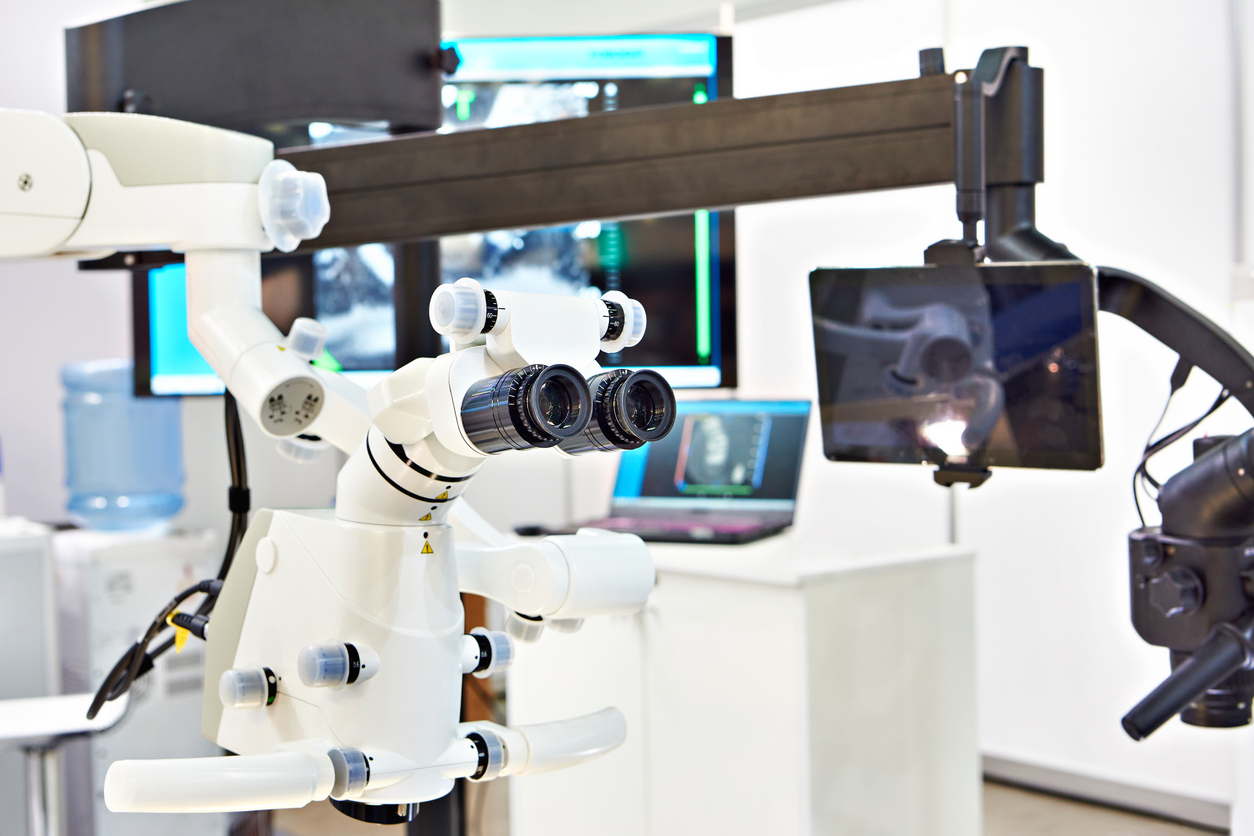
Digital innovation has revolutionized the field of robotics, transforming the way surgical procedures are performed. Robotic-assisted surgeries have become increasingly popular in recent years, offering a number of benefits to both patients and healthcare providers.
Robotic-assisted surgeries use advanced robotic technology to assist surgeons in performing complex procedures with greater precision and control. The technology allows for smaller incisions, less blood loss, and faster recovery times compared to traditional open surgeries. Additionally, robotic technology can provide better visualization and control during the surgery, reducing the risk of complications and improving outcomes for patients.
One company leading the charge in robotic-assisted surgeries is Intuitive Surgical, which produces the da Vinci surgical system. The da Vinci system uses advanced robotic technology to assist surgeons in performing a wide range of procedures, from prostatectomies to hysterectomies.
The system consists of a console where the surgeon sits and a set of robotic arms that are controlled by the surgeon's movements. The arms hold small surgical instruments and a high-definition camera, allowing the surgeon to perform precise movements and see the surgical site in greater detail.
Another company making waves in the field of robotic-assisted surgeries is Stryker, which produces the Mako robotic-arm assisted surgery system. The Mako system is used for joint replacement surgeries, allowing for greater accuracy and precision during the procedure.
The system uses 3D imaging technology to create a personalized surgical plan for each patient, allowing for a more accurate and efficient surgery. The robotic arm then assists the surgeon in performing the procedure, providing real-time feedback and adjusting for any unexpected changes during the surgery.
In addition to joint replacement surgeries, robotic-assisted surgeries are being developed for a wide range of procedures, from cardiac surgeries to neurosurgeries. The technology is constantly evolving, with new innovations and advancements being made every year.
Despite the benefits of robotic-assisted surgeries, there are still some challenges that need to be addressed. One major challenge is the high cost of the technology, which can make it inaccessible to many patients and healthcare providers. Additionally, there is a need for more training and education for surgeons and healthcare providers to ensure they are able to use the technology effectively and safely.